
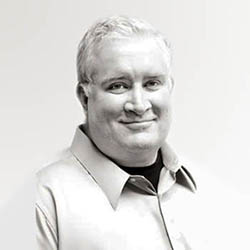
After retiring from a full time 30-year career in clinical psychology (due to chronic health issues), I transitioned into a part-time role as a Buddhist chaplain, shaman, and spiritual advisor in 2019. Because of my degenerative health issues, I have a very small Buddhist ministry, so I work with only 5-10 individuals at a time. These are typically people seeking ongoing trauma processing and integration, Buddhist spiritual counseling, along with instruction in any relevant meditative and contemplative practices.
With over 21,000 hours of experience and practice, I am a senior Buddhist chaplain, and I'm among the leading Buddhist psychological and spiritual counselors and teachers in the United States. Most of my clients are long term, live outside the United States, and many are serious Buddhist practitioners - but many are not. I'd say it's an 70/30 split. Most of my clients have been through (or are currently in) some type of modern mindfulness / Buddhist psychology based psychotherapy like MBCT, ACT, CBT, etc. Most of my clients have had some type of serious trauma(s) in their backgrounds as well.
Please Note: For some more sophisticated students, I sometimes offer shamanistic work, in particular work that has been called "shadow dancing" or "fear eating" in ancient Buddhist literature. This work makes room for the spiritual paths that often gain wisdom and insight through a direct awareness of and confrontation with (and then a unification) with (read: making friends with) one's own "darkness," and subconscious taboo material. Fear eating work is not for everyone, it is associated with developmental trauma, and it is most often administered to practicing Buddhists in intensive sessions. Please also be aware that this type of shadow work sometimes involves the limited use of psychedelic medicine.
Of course, being Buddhist is not a requirement for working with anyone at AMI. In fact, Buddhism prides itself on being able to provide insight even when used only as a partial practice to supplement a client's understanding and practice of Christianity, Judaism, or Islam. Here is a quote of mine from a recent public speaking event:
"My approach to Buddhist spiritual counseling is deeply rooted in trust, compassion, and establishing a genuine rapport. It's essential to create a safe, authentic, and confidential relationship, allowing clients to feel secure as they open up and engage in the spiritual counseling process. Clients can expect a space that prioritizes their goals, and creates respect, confidentiality, and positive regard. Though I may occasionally seek permission to 'coach' or 'push' gently, my primary focus is on facilitating a process that respects each client's individual needs and goals."
By incorporating traditional Buddhist psychology and meditative practice, clients can enhance their understanding and insight into themselves and their suffering. Given that Buddhist psychology underlies contemporary mindfulness-based cognitive therapies, my guidance is apt for those looking to deepen their understanding of their thoughts and emotions from a Buddhist perspective.
On another note, my expertise has also often been helpful to spouses. friends, and family who are trying to help a loved one navigate borderline personality disorder (BPD), complex post-traumatic stress disorder (C-PTSD), bipolar depression (BD), alcohol and substance dependance, and major depressive disorder (MDD). I can often shed light on a diagnosis or explain the behavior of a family member in a way that is relatable and makes practical sense to overwhelmed loved ones.
Finally, I do offers a free 20-minute cell phone consultation to anyone, so potential clients can get a sense of who I am and how I might be able to help. Please also feel free to email me directly at